
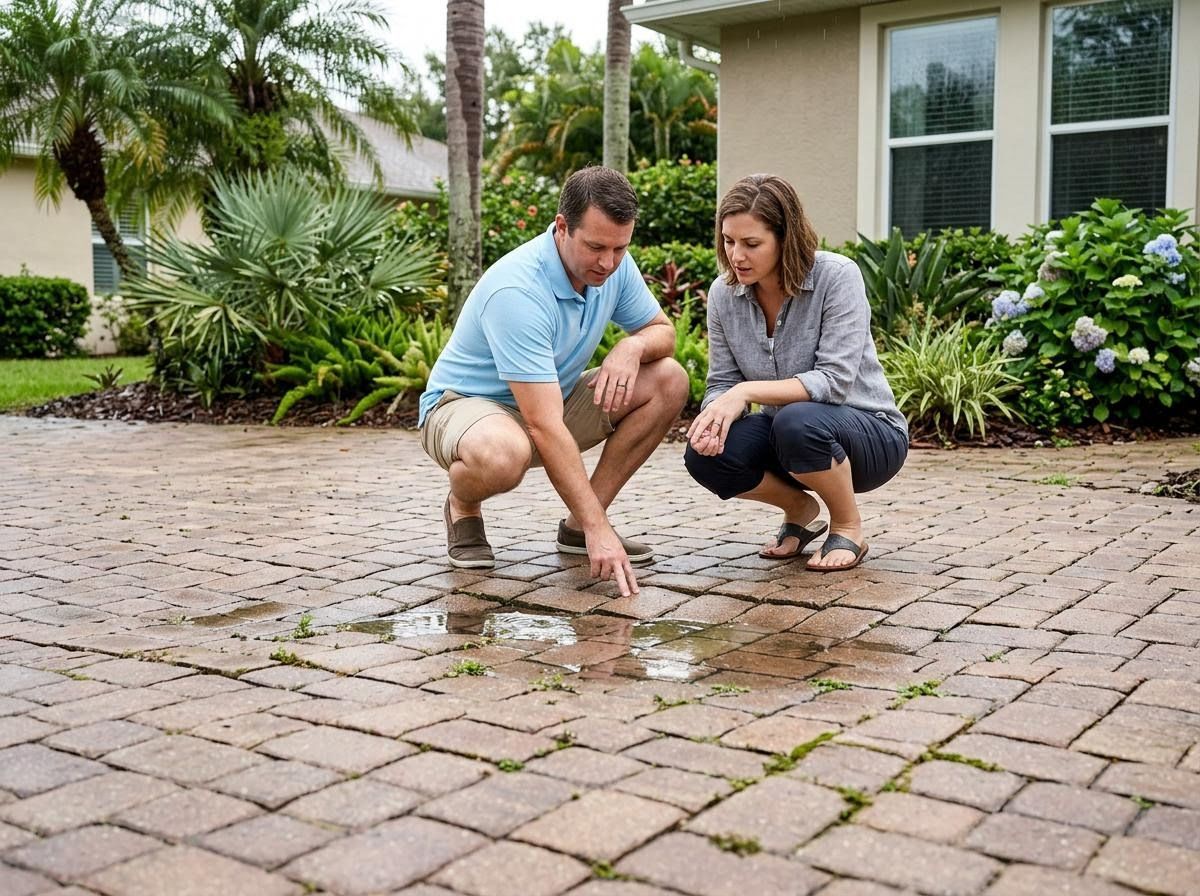
The beauty of a paver driveway or patio can significantly enhance a home’s curb appeal, but for many homeowners in Jacksonville, the sight of sinking or shifting pavers is a frustrating reality. At Master's Touch Paver Sealing & Pressure Washing, we understand these challenges, which often stem from Florida's unique environment and the nuances of proper installation and maintenance. Understanding the root causes behind these common paver problems is the first step towards achieving a lasting, beautiful outdoor space that stands the test of time.
The Florida Factor: Environmental Challenges
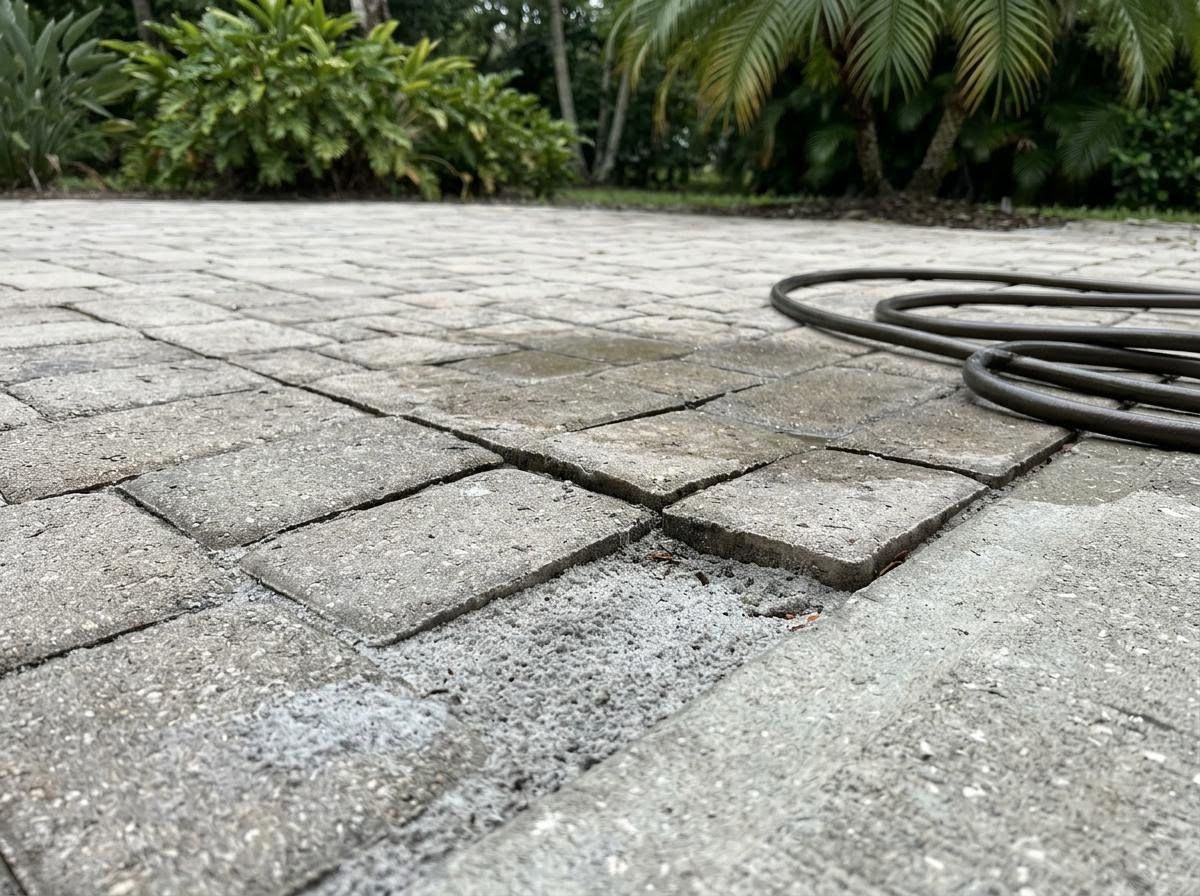
Florida's climate, while desirable for its warmth, presents unique challenges for outdoor installations like paver surfaces. The combination of intense rainfall, high humidity, and the prevalent sandy soil compositions creates a dynamic environment that can undermine even well-laid pavers. Heavy downpours can lead to significant water runoff and saturation of the sub-base beneath pavers, washing away crucial bedding material over time. This erosion, coupled with the fine, loose nature of sandy soils, reduces the stability of the foundation, making pavers susceptible to settling and movement. Furthermore, the constant cycle of wetting and drying, alongside the potential for subterranean water movement, contributes to the gradual displacement of sand and aggregate, weakening the interlock system of the pavers.
The Foundation of Failure: Installation Inadequacies
While Florida's environment certainly plays a role, many paver issues can be traced back to the initial installation process. A craftsmanship-focused approach to paver installation emphasizes meticulous preparation of the sub-base – the layer of compacted material beneath the pavers. If this sub-base is not properly excavated, compacted to the correct density, or if the wrong type of aggregate is used, it creates an unstable foundation that is prone to settling under weight and environmental stress. Equally critical are the edge restraints, which act as a border to prevent lateral movement of the pavers. Inadequate or improperly installed edge restraints allow pavers to spread and shift outward. Lastly, the joint sand, which fills the gaps between pavers and locks them into place, must be properly applied and settled to maintain structural integrity. Any shortcuts in these vital steps can lead to premature sinking and shifting, regardless of the quality of the pavers themselves.
The Long-Term Impact: Neglect and Erosion
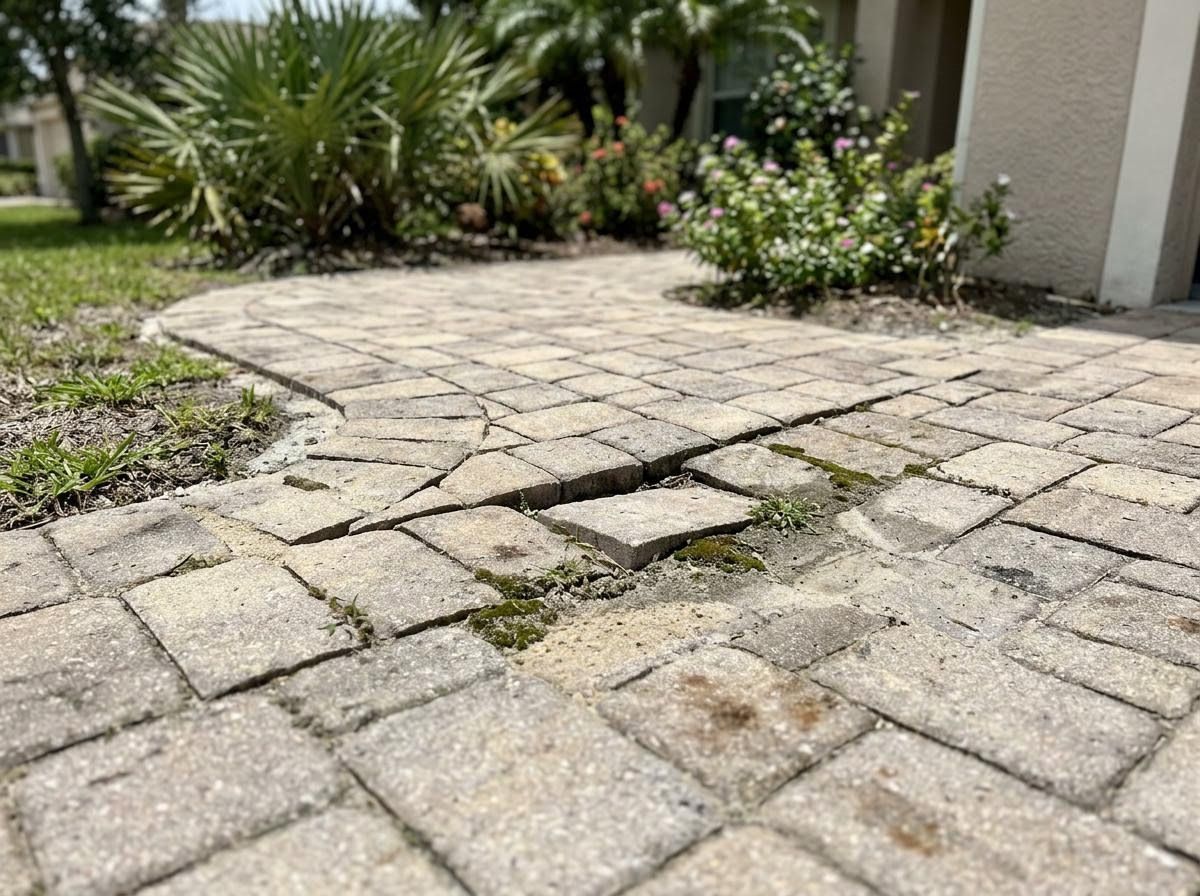
Even perfectly installed pavers require ongoing attention to maintain their structural integrity and aesthetic appeal. Over time, the joint sand that binds pavers together can erode due to weather, traffic, or even pest activity like ants burrowing. Once this sand is compromised, the crucial interlock that keeps pavers firmly in place is weakened, allowing individual units to shift, tilt, or sink. Neglecting to reseal pavers also contributes to their degradation. Sealing not only enhances their appearance and protects against stains but also hardens the joint sand, making it more resistant to erosion and weed growth. Without this protective barrier, pavers are more vulnerable to water infiltration, organic growth, and the destructive forces of nature, accelerating the deterioration process and leading to costly repairs down the line.
Protecting Your Investment: Proactive Solutions
Addressing the common issues of paver sinking and shifting in Florida requires both an understanding of their causes and a commitment to quality solutions. For existing installations, proactive maintenance is key. This includes regularly sweeping and replenishing joint sand, ensuring proper drainage around paver areas, and most importantly, applying a professional-grade paver sealant. Sealants fortify the joint sand, creating a durable barrier against erosion, weed growth, and ant infestations, while also protecting the paver surface from UV damage and stains. For new installations or significant repairs, entrusting the project to experienced professionals who understand Florida's unique conditions and adhere to meticulous installation standards ensures a stable, long-lasting surface. A hands-on, detail-oriented approach from the sub-base up is paramount to preventing future problems.
Achieving a durable and beautiful paver surface in Florida is entirely possible when you understand the environmental factors, the critical role of proper installation, and the necessity of ongoing maintenance. By taking these insights to heart, homeowners can prevent common issues and enjoy their outdoor living spaces for years to come. To explore how Master's Touch Paver Sealing & Pressure Washing can help you protect or restore the integrity and beauty of your paver investment, consider learning more about our specialized sealing and pressure washing solutions.